
This is an old revision of the document!
Table of Contents
The Providence Files
The stories of a few investigators with the misfortune of stumbling into the mysterious events happening in Providence in the middle of the Roaring Twenties. Initial plan is to run 4-5 sessions.
Online sessions will happen on our Foundry Virtual Tabletop server (ask me for passwords).
The Cast
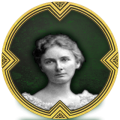 Frank (priv) as Dr. Evelyn Winters
Dismayed by the undue hurdles placed in front of female researchers at Brown University, Winters now works as a librarian at Rhode Island College. She still pursues her research career in the background and hopes the books she's currently writing will open a few doors for her.
 Lea (priv) as Aurelia Schutlheiß
Margit (priv) as Lise Meitner
 Chris (priv) as Rosalie McDoughan
An up and coming reporter of the Providence Journal that recently joined the paper after finishing an internship at the Boston Star. To her, the truth matters most and neither danger nor the law will stop her from getting it out.
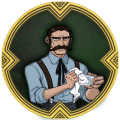 Martin (priv) as Frederick McCraken
While he is technically just a barkeeper at The Wild Colonial, in practice he is managing the whole shop, from hiring to acquisition of “goods”. The Morellis are grossly underpaying him for his efforts, but Frederick knows it's better to earn a little extra from tips and kickbacks than asking the mafia for a raise.
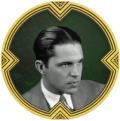 Niki (priv) as Augustus Thaddeus Johnson III
A generous donation by his wealthy parents allowed Augustus to enroll as a “student” at Brown University. His curriculum consists mostly of playing polo, hunting, and frequenting the various speakeasies in town. He is a regular at The Wild Colonial Tavern.
Recovering/Retired
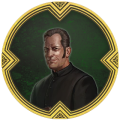 Chris (priv) as Montgomery O'Shea
Having just finished his degree in divinity, Foster is eager to spread the word of god as a deacon at St. John's cathedral. His Irish roots still shine through in his spare time, that he spends on hurling fields and , occasionally, drinking establishments like the Wild Colonial.
Friends and Allied Organizations
Session Log
The Code
[March 23. 1926] (In-person Session, April 20. 15:00)
An old acquaintance invites the investigators to his manor in Upstate New York to unveil his greatest scientific breakthrough!
None More Black (Part 3 & 4)
[July 7. 1925] (FoundryVTT Session, June 17. 19:00 / June 21. 19:30)
The investigators followed a trail of evidence to an abandoned factory in East Providence. But they found that the lights… were on…
None More Black (Part 2)
[July 5. 1925] (In-person Session, May 27. 16:00)
The strange new drug on the Rhode Island College campus seems to have claimed its first victim. How will the investigators stop its spread?
None More Black (Part 1)
[July 1. 1925] (In-person Session, May 12. 18:00)
Summer break has kicked in for students of the schools and colleges of Providence. Between the summer courses they spend much time on recreation, but some students have taken up a troubling new hobby…
Shadow over Providence
[May 30. 1925] (In-person Session, Apr. 10. 16:00) 
A traveling exhibition showing the wonders of ancient Egypt stops at Providence's prestigious Milton Hotel. Will the host, Dr. C. Bronson, be able to share her knowledge about pharaonic artifacts with the investigators?
Chargen Rules
- Allowed Creation Methods:
- Point Buy (IH pg. 60 1))
- Quick Fire (IH pg. 60)
- All skills capped at 75% during Character Creation
- No Experienced Investigators (IH pg. 61)
- Classic Setting, Year 1925
- Characters should live/work in Providence, Boston or in between those cities
- Having at least some characters with investigative skills in the group would be helpful
- No dedicated driver char required thanks to public transportation in the region (see below)
- Player chars knowing each other based on their backstory is welcome but not necessary
- Basic Information regarding the setting Call of Cthulhu
If you don't want to create your own character let me know and I'll send you a PreGen fitting the scenario.
The City of Providence
 The capital of Rhode Island is old, as far as the colonized
New World is concerned. It was founded in 1636 by a small
group of settlers led by Roger Williams looking for religious
freedom not only from England but also from the Puritans
of the Massachusetts Bay Colony.
The capital of Rhode Island is old, as far as the colonized
New World is concerned. It was founded in 1636 by a small
group of settlers led by Roger Williams looking for religious
freedom not only from England but also from the Puritans
of the Massachusetts Bay Colony.
After the original settlement was established, near a freshwater spring in what is now College Hill, it slowly spread out from there, until its growth was spurred by the establishment of a wharf in 1680. This wharf became integral to the “triangular trade”: molasses, rum, and slaves shipped between the West Indies, Africa, and the American colonies. After the slave trade ended, Providence remained an important seaport. By the late 1800s, it was one of the first cities in the United States to establish industrial manufacturing, and this “Beehive of Industry” produced textiles, metals, machinery, jewelry, and silverware. Industrial manufacturing in general slowed down precipitously in the 1920s, but jewelry manufacturing continued to grow.
 Providence lies at the head of Narragansett Bay, and the
Providence River runs through the densely populated city’s
center. Many of Providence’s street names recall its history
of religious tolerance and maritime trade. Providence is said,
like Rome, to be founded on seven hills. Its downtown area
has numerous building from the 19th century in Federal,
Victorian, and Art Deco styles. The East Side still retains many
buildings in the late Georgian style of the 18th century. Stately
old mansions and other houses, with their fanlights set above
double flights of stairs with wrought-iron railings, and their
gable or gambrel roofs, line the hills and hide the modern world.
There are some structures even older, such as the oldest Baptist
church in the United States, established by Roger Williams two
years after he founded the settlement. Providence is also a seat
of learning, with Brown University (moved to Providence in
1770) and the Rhode Island School of Design (1877) being the
most prominent educational institutions, followed by Rhode
Island College and the Roman Catholic Providence College.
Providence lies at the head of Narragansett Bay, and the
Providence River runs through the densely populated city’s
center. Many of Providence’s street names recall its history
of religious tolerance and maritime trade. Providence is said,
like Rome, to be founded on seven hills. Its downtown area
has numerous building from the 19th century in Federal,
Victorian, and Art Deco styles. The East Side still retains many
buildings in the late Georgian style of the 18th century. Stately
old mansions and other houses, with their fanlights set above
double flights of stairs with wrought-iron railings, and their
gable or gambrel roofs, line the hills and hide the modern world.
There are some structures even older, such as the oldest Baptist
church in the United States, established by Roger Williams two
years after he founded the settlement. Providence is also a seat
of learning, with Brown University (moved to Providence in
1770) and the Rhode Island School of Design (1877) being the
most prominent educational institutions, followed by Rhode
Island College and the Roman Catholic Providence College.
Locations of Interest

- College Hill
- Downtown
- Elmhurst (NW of Smith Hill)
-
- Mt. Pleasant (W of Smith Hill)
-

The 1920s
Communication
- Telephone
The telephone took the USA by storm and by the 1920s every respectable home had a telephone line. Even in poorer neighborhoods phone services were available at communal offices, allowing communication between all parts of the continental US.
- Telegrams
Despite the availability of telephone connections, telegrams were still a main form of communication. Short text messages were electronically transmitted between telegraph offices around the country before being hand delivered to the addressee, faster than any mailing service could hope to achieve. Telegrams were paid by the word, leading to the iconic telegram style messages.
- Mail/Messenger
Transportation
- Cars
Assembly line manufacturing has made cars affordable for citizens with middle incomes. While not rare, only about one in three households (or one in ten persons) owns a car. Street traffic is becoming an increasing problem that Providence is trying to address by using automated traffic lights.
- Electric Trolleys
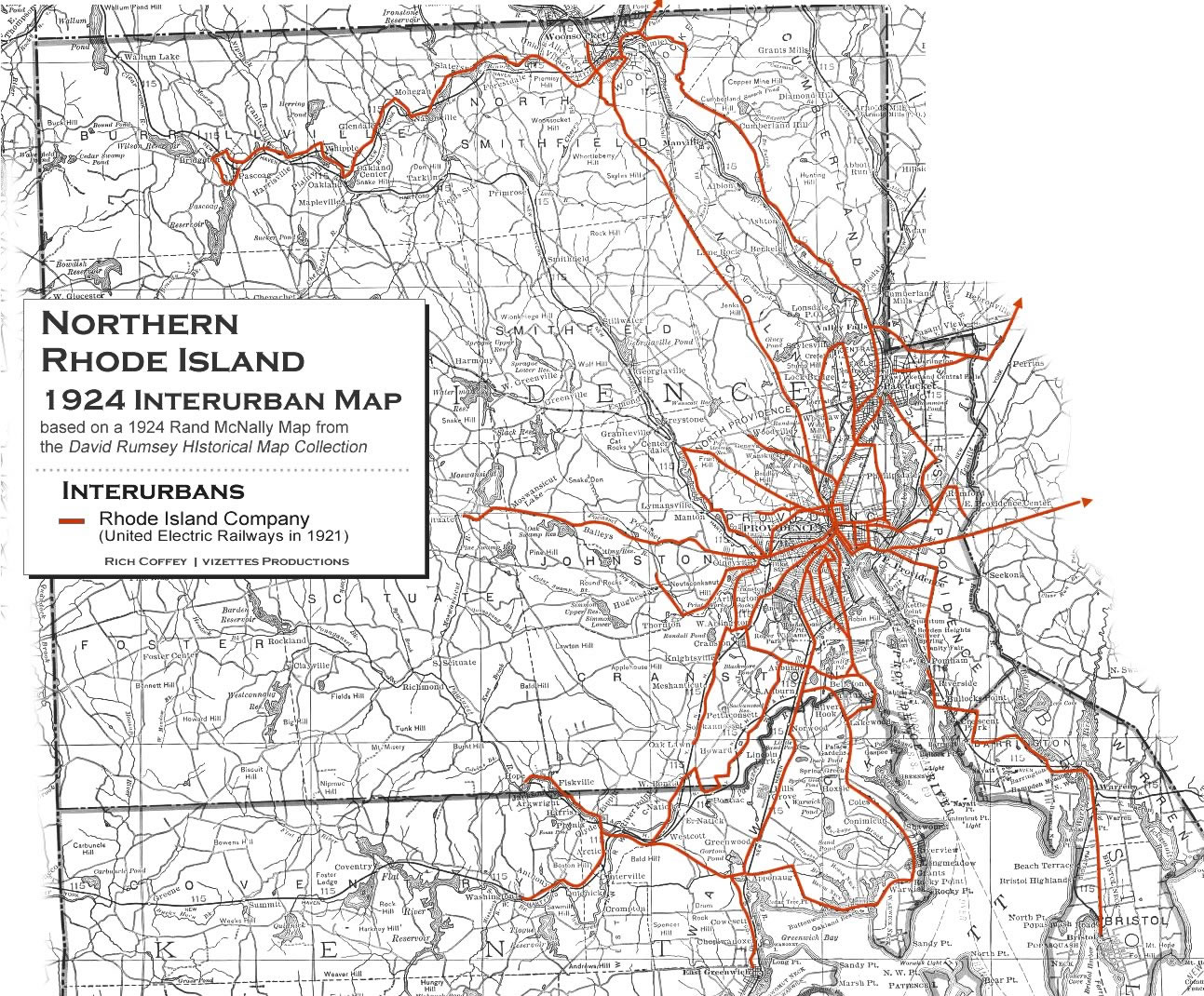
After years of public outrage and protests by citizens and horse-car companies, the electric trolley was introduced in Rhode Island with its first line in Newport, 1889. Public perception shifted in an instant and soon affordable trolleys replaced most of the existing horse-based modes of transportation. Investigators can reach all urban locations within Providence within roughly one hour.
- Trains
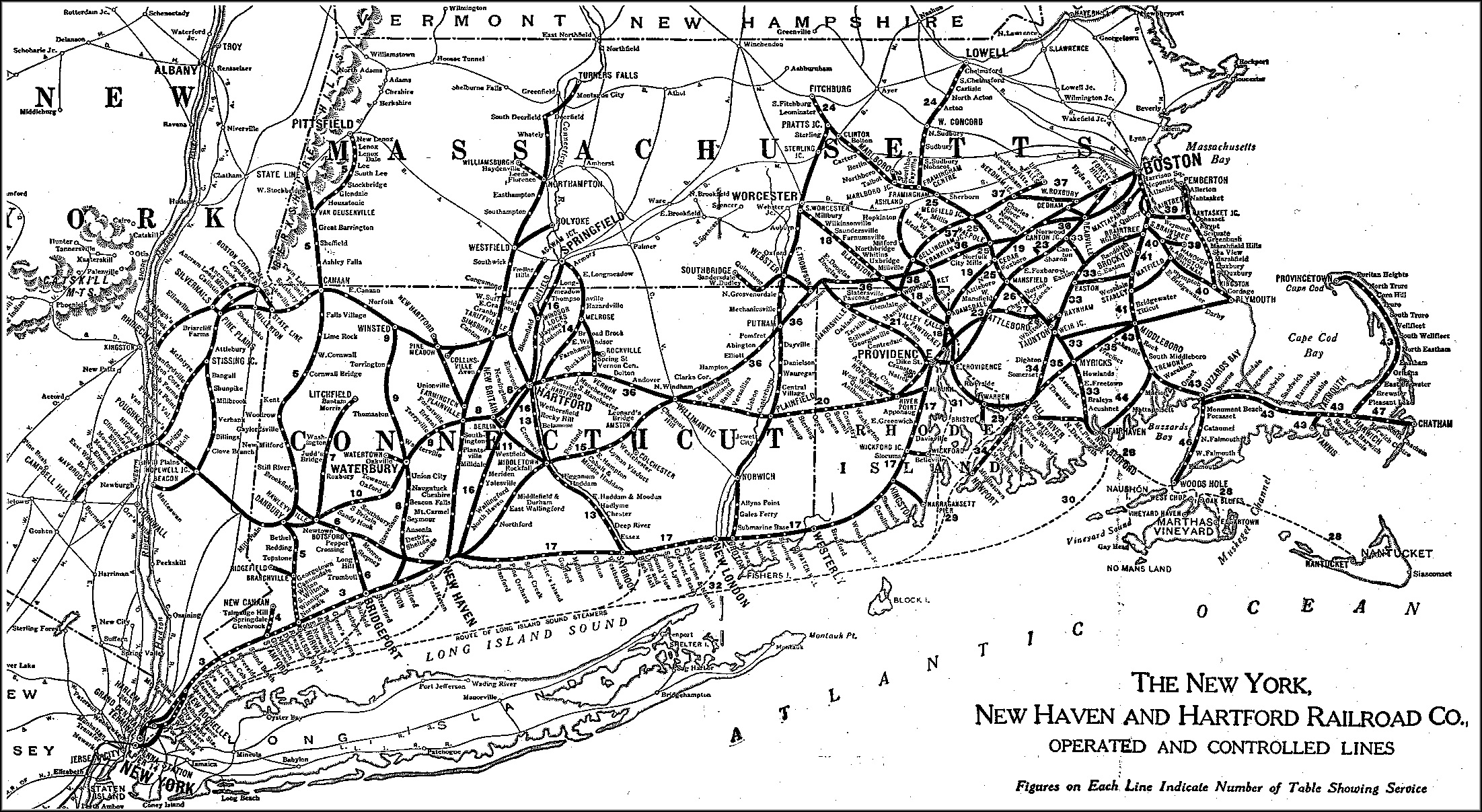 New England sports a fairly tight network of railroads, allowing investigators to reach any major locations within New York, Connecticut and Massachusetts without great difficulty.
- Ferries/Ships
Several privately owned ferry lines offer cheap rides to locations at the coast of Narragansett Bay (e.g. Newport, Kingston, Fall River) and nearby islands like Block Island, Martha's Vineyard and Nantucket.
With the decline of Rhode Island's industry, traffic at the port of Providence has become sparse, but hasn't ceased entirely. Occasionally, one could catch a ride to national and international locations on a cargo ship. Regular passenger travel is handled by the ports in Boston, Ma.
- Airships/Planes

Air travel is still in its infancy, but with the right connections and a well filled wallet one could catch a seat on an airship in New York and travel to other Metropolis in just a few days. Flights are rare and do not operate on a fixed schedule due to weather dependence. Air trips usually need to be planned weeks in advance.
Domestic airplane flights are technically available, but passenger planes are small and rather unreliable.


